
Business is like skeet shooting — you have to shoot where the target is going to hit your mark. We are at a wonderful moment for technology. Now is a great time for your business to take advantage of certain foundations to set yourself up for the growth you're planning.
Typically businesses will wait for one of the "Big 6" to make a move to cloud-based infrastructure:
- Before an upcoming merger or acquisition
- Expanding to new offices
- Instituting a remote work initiative
- Following a security incident
- A seasonal spike in business
- Infrastructure or hardware reaching "end of life"
By instituting a cloud infrastructure now, your business will be much more prepared to handle any of the Big 6 — and most importantly, far better positioned against the fourth: a security event. There are three main components hitting a maturity level right now, creating a perfect storm for cloud adoption, specifically virtual desktop infrastructure (VDI).
By the numbers — Gartner, Thales Group, Starlink
Desktop as a Service (DaaS) is expected to have the most significant growth, increasing 95.4% to $1.2 billion
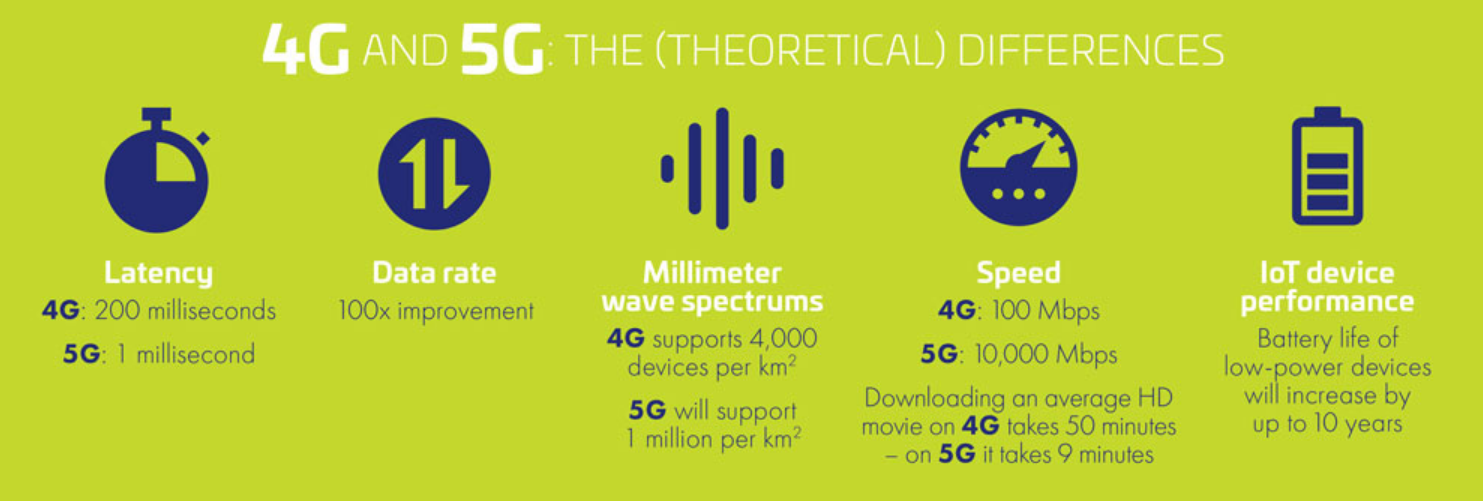
With 5G reaching 10 Gbps — up to 100× faster than 4G — networks can now deliver performance needed for an increasingly connected society
Starlink continues expansion toward near-global coverage of the populated world
Cloud Infrastructure
Since the early 2000s, the concept of Cloud computing has been maturing. Today, multiple very reliable and scalable public cloud providers exist. The big three — Amazon AWS, Google Cloud, and Microsoft Azure — have matured their infrastructure and delivery to near perfection.
While all three have experienced downtimes, the total business impact pales in comparison to on-premise solutions. If a downtime event happens in the cloud, recovery is seconds away rather than hours — which could mean a difference of thousands if not millions of dollars as workers and customers wait for a solution.
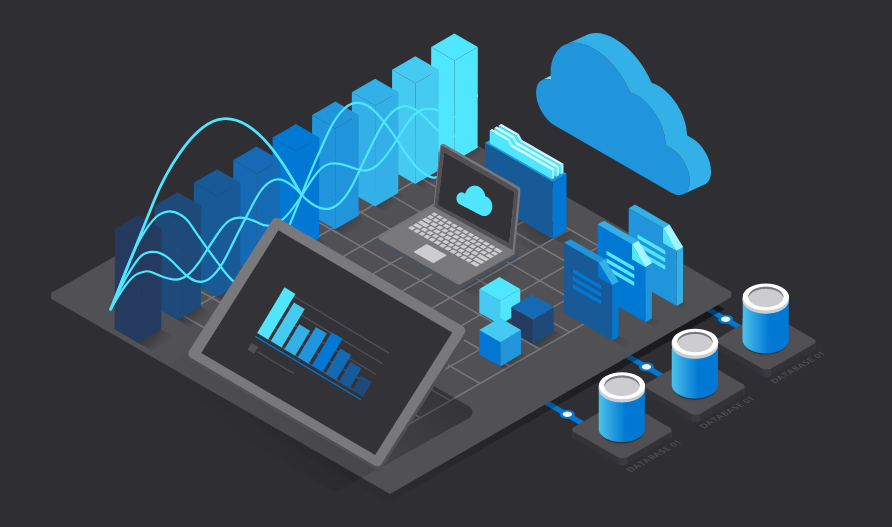
Cloud providers offer pay-as-you-go plans, volume savings plans, unparalleled security and support, and much more. These features allow businesses of all types and sizes to adopt cloud infrastructure simply and efficiently.
Internet Connectivity

In order to use the cloud exclusively for desktop computing power, the bandwidth of your local internet connection needs to be fast enough for a good experience. Typical local network speeds have been 1 GB since the turn of the century — which allowed for a great remote desktop experience.
Now, fiber optic connections are available even residentially on a very large scope and continuing to spread exponentially, meaning ISP speeds up to 1 GB are quite common. The near future is even brighter, with 5G bringing these speeds to the convenience of your pocket.
Another historically large issue has been serviceability in remote and rural areas. Now, with 5G arriving and companies like Starlink bringing internet service to rural areas and even the skies, these concerns are soon to be all but completely addressed.
“...if a downtime event happens in the cloud, recovery is seconds away rather than hours, which could mean a difference of thousands if not millions of dollars as workers and customers wait for a solution.”
— RainDrop Development
Client Hardware
In order to connect to the cloud, you'll need a connection point. This can take on different forms: conventional desktops, thin clients, laptops, and mobile devices. The power needed to control a VDI workstation is very minimal, since the main applications are running in the cloud.
This validates even the oldest PCs still in use as primary candidates for a VDI connection point — no upgrade necessary. This dramatically reduces the capital expenditures needed to make a shift to the cloud, and saves many combined hours for IT when making the transition.
Do I need a VDI environment?
Yes. For your employees, VDI provides the best options for flexibility and efficiency. For your business, you want a workstation solution that allows optimum scalability, IT efficiency, and sets up without breaking the bank.
But — for small and medium-sized businesses, setting up virtual desktop infrastructure can be expensive and difficult to manage by internal IT or, in many cases, the business owner. This usually leads to a whole new set of IT costs and headaches instead of streamlining and creating efficiency.
RainDrop can help
RainDrop provides a fully managed, Cloud-based VDI. RainDrop empowers IT departments with powerful management tools and end users with self-help guidance and troubleshooting tools to simplify your organization's technical operations. Your employees and consultants can securely work from desktops, laptops, phones, or tablets anywhere around the globe.
How to get started
- Complete the signup form to create your first RainDrop. It will be ready to use in under 5 minutes.
- Securely sign in using the email invitation received.
- Create whatever workstation structure your business requires and invite users to the RainDrop management engine.
With RainDrop, you get a 7-day free trial to get used to the system before you choose it as your preferred cloud workstation solution. Full access to all the powerful tools, absolutely free for the first week. Ready, Set, Rain!